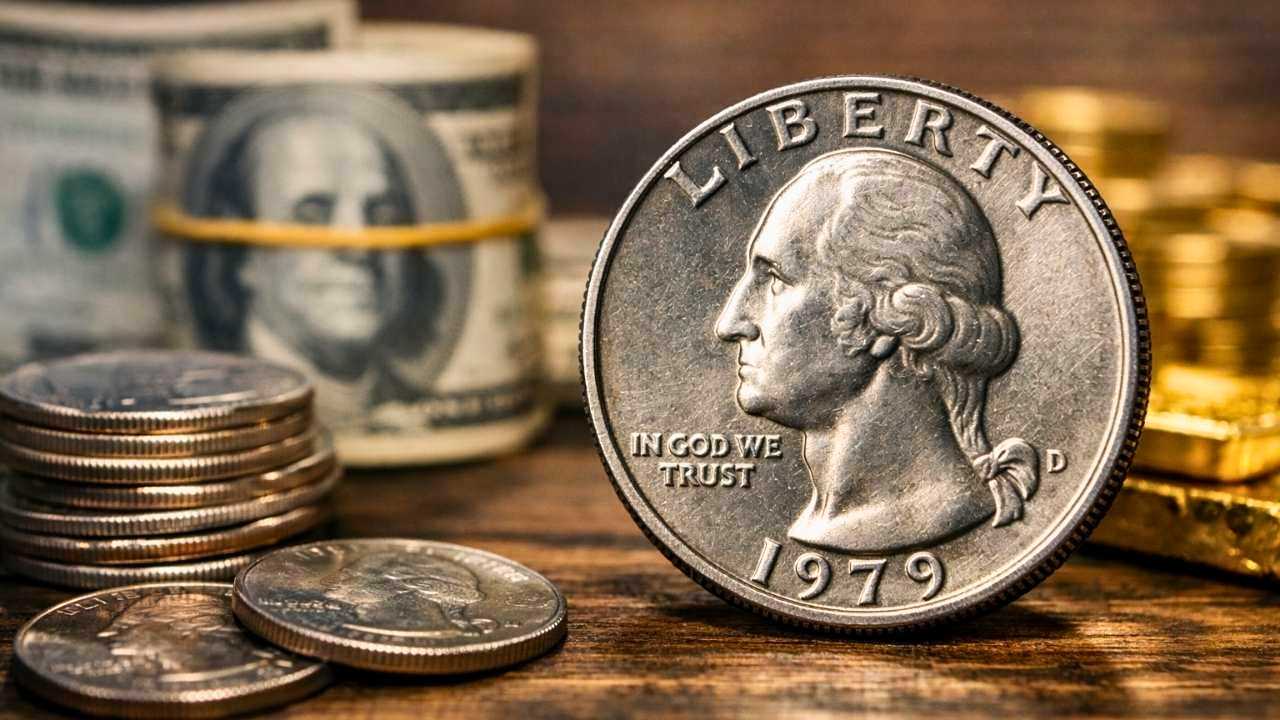
The Washington Quarter has been a staple of American coinage since 1932, and collectors often look to specific years for hidden treasures. The 1979 Washington Quarter may seem ordinary at first glance, but certain mint marks, rare errors, and condition factors can make it surprisingly valuable. This guide explores everything you need to know about the 1979 quarter, from its history to the prices collectors are willing to pay today.
Historical Background
The Washington Quarter was introduced to commemorate the 200th anniversary of George Washington’s birth. By 1979, the coin had already undergone several design changes, but the obverse still featured Washington’s profile, while the reverse displayed the heraldic eagle. These coins were struck in copper-nickel clad composition, replacing the 90% silver quarters that ended in 1964.
For collectors, 1979 is not considered a landmark year in terms of design changes, but it remains significant because of the mint marks and error varieties that appeared during production.
Mint Marks and Their Importance
Mint marks are small letters on coins that indicate where they were produced. For the 1979 Washington Quarter, three primary mint marks exist:
- Philadelphia (no mint mark)
- Denver (D)
- San Francisco (S)
The Philadelphia quarters are the most common, while Denver issues are also widely available. San Francisco produced proof coins, which were struck with extra care and intended for collectors. These proof coins often carry higher values, especially when preserved in pristine condition.
Rare Errors to Look For
Error coins are one of the most exciting aspects of collecting. The 1979 Washington Quarter has several notable errors that can dramatically increase its value:
- Double Die Obverse: Some quarters show doubling in the lettering or date, making them highly sought after.
- Off-Center Strikes: Coins struck off-center can range in value depending on how much of the design is missing.
- Clipped Planchets: A quarter with a missing section due to a miscut planchet is rare and collectible.
- Proof Errors: Even proof coins from San Francisco occasionally show mistakes, such as weak strikes or misaligned dies.
Collectors prize these errors because they are unique and often scarce, which drives demand.
Collector Prices and Value Ranges
The value of a 1979 Washington Quarter depends on several factors: mint mark, condition, and whether it has an error. Below is a general guide:
- Circulated Philadelphia or Denver quarters: Typically worth face value unless in exceptional condition.
- Uncirculated Philadelphia or Denver quarters: Can range from $1 to $5 depending on grade.
- Proof San Francisco quarters: Usually valued between $5 and $15, with deep cameo examples fetching more.
- Error coins: Values vary widely. A dramatic off-center strike or strong double die can sell for $50 to several hundred dollars.
High-grade examples certified by professional grading services can command premium prices, especially if they are rare varieties.
Collecting Tips
If you are interested in collecting 1979 Washington Quarters, here are a few tips:
- Check rolls and pocket change: Many valuable coins are still in circulation.
- Inspect for errors carefully: Use a magnifying glass to spot doubling or off-center strikes.
- Consider professional grading: Certified coins often sell for more and are easier to trade.
- Store properly: Keep coins in protective holders to prevent damage.
Patience and attention to detail are key when searching for hidden gems among ordinary quarters.
Key Highlights
- The 1979 Washington Quarter was struck in Philadelphia, Denver, and San Francisco.
- Proof coins from San Francisco are more valuable than regular circulation strikes.
- Rare errors such as double dies, off-center strikes, and clipped planchets can significantly increase value.
- Most circulated quarters are worth face value, but uncirculated and proof examples can fetch higher prices.
- Professional grading and proper storage enhance long-term value for collectors.
Final Words
The 1979 Washington Quarter may not be the rarest coin in American history, but it holds a special place in the world of numismatics. With its mix of common circulation strikes, collectible proofs, and intriguing error varieties, this coin offers something for every level of collector. Whether you are just starting out or already have a seasoned collection, keeping an eye out for these quarters can be both rewarding and enjoyable.