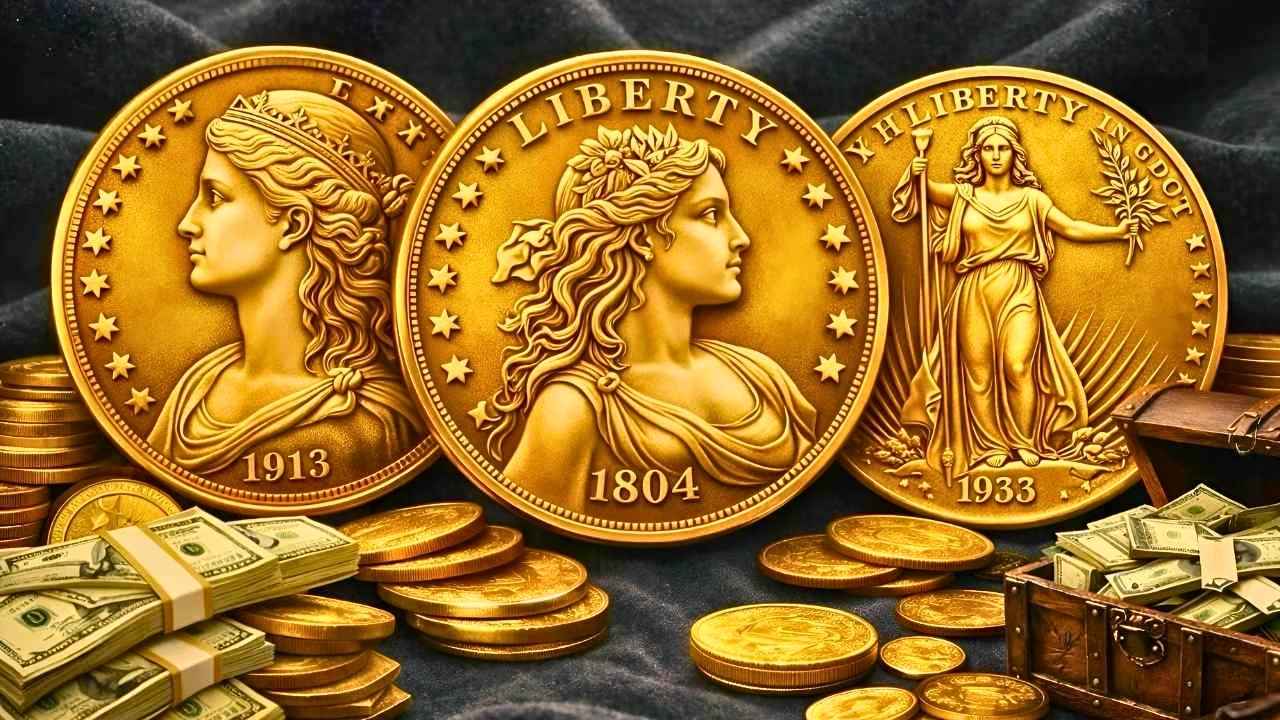
U.S. Coins collecting has long been a fascinating hobby, but for some, it has also become a pathway to financial freedom. Rare coins are not only pieces of history but also tangible assets that can appreciate dramatically over time. In fact, a handful of U.S. coin rarities are now valued at more than $2.5 million each, making them treasures that could change a collector’s life. This guide explores three of the most valuable coins in American numismatics, their history, and why they command such extraordinary prices today.
The 1933 Double Eagle
One of the most legendary coins in U.S. history is the 1933 Double Eagle. Originally minted in gold, this coin was never officially released into circulation due to President Franklin Roosevelt’s decision to end the gold standard. Most of the coins were melted down, but a few escaped destruction.
The rarity of the 1933 Double Eagle, combined with its dramatic backstory, has made it one of the most coveted coins in the world. In recent auctions, examples have sold for millions, with one specimen reaching nearly $19 million. For collectors, owning this coin is not just about value but about possessing a piece of American monetary history.
The 1794 Flowing Hair Silver Dollar
The 1794 Flowing Hair Silver Dollar holds the distinction of being the first silver dollar ever struck by the United States Mint. Its design features Lady Liberty with flowing hair on the obverse and an eagle on the reverse.
Because of its historical significance and extreme rarity, this coin has become a centerpiece of numismatic collections. High-grade examples are exceedingly scarce, and one record-breaking sale saw a specimen fetch over $10 million. Collectors prize this coin not only for its monetary value but also for its role in symbolizing the birth of American coinage.
The 1804 Draped Bust Silver Dollar
Known as the “King of American Coins,” the 1804 Draped Bust Silver Dollar is one of the most famous rarities in the world. Interestingly, no dollars were actually struck in 1804; instead, these coins were produced later as diplomatic gifts. Only a handful exist, and each one carries immense prestige.
The mystique surrounding the 1804 dollar has fueled its value, with auction prices soaring past $4 million. Collectors view it as a crown jewel, representing both rarity and historical intrigue. Its story highlights how unusual circumstances can create some of the most valuable coins in existence.
Why These Coins Are So Valuable
Several factors contribute to the extraordinary value of these coins:
- Rarity: With only a few surviving examples, demand far outweighs supply.
- Historical significance: Each coin represents a pivotal moment in U.S. history.
- Condition: Well-preserved specimens command higher prices.
- Collector demand: These coins are considered trophies in the numismatic world.
Together, these elements create a perfect storm of desirability, driving values into the millions.
Investing in Rare Coins
While most collectors pursue coins for enjoyment, the financial potential of rare coins cannot be ignored. High-value rarities are often seen as alternative investments, similar to fine art or rare stamps. However, investing in coins requires knowledge, patience, and careful research.
Collectors should focus on authenticity, grading, and provenance. Professional certification adds credibility and ensures that coins are genuine. For those who dream of retiring early, rare coins can be part of a diversified portfolio, though they should never be the sole investment strategy.
Collecting Tips
For those inspired by these million-dollar rarities, here are some practical tips:
- Start small with affordable coins to build experience.
- Learn about grading standards and how condition affects value.
- Attend coin shows and auctions to see rare coins firsthand.
- Work with reputable dealers and consider professional certification.
- Focus on coins with historical significance, as they tend to hold long-term value.
Even if you never own a multimillion-dollar rarity, collecting can still be rewarding and educational.
Key Highlights
- The 1933 Double Eagle, 1794 Flowing Hair Silver Dollar, and 1804 Draped Bust Silver Dollar are valued above $2.5 million.
- Rarity, history, and condition drive their extraordinary prices.
- These coins are considered trophies in the numismatic world.
- Investing in rare coins requires knowledge, authenticity checks, and patience.
- Collecting can be both financially rewarding and personally fulfilling.
Final Words
Rare coins are more than just currency; they are artifacts of history and symbols of wealth. The 1933 Double Eagle, 1794 Flowing Hair Silver Dollar, and 1804 Draped Bust Silver Dollar stand as shining examples of how numismatics can intersect with financial opportunity. While few collectors will ever own these rarities, their stories inspire and remind us that coin collecting is a pursuit filled with discovery, passion, and the potential for life-changing value.