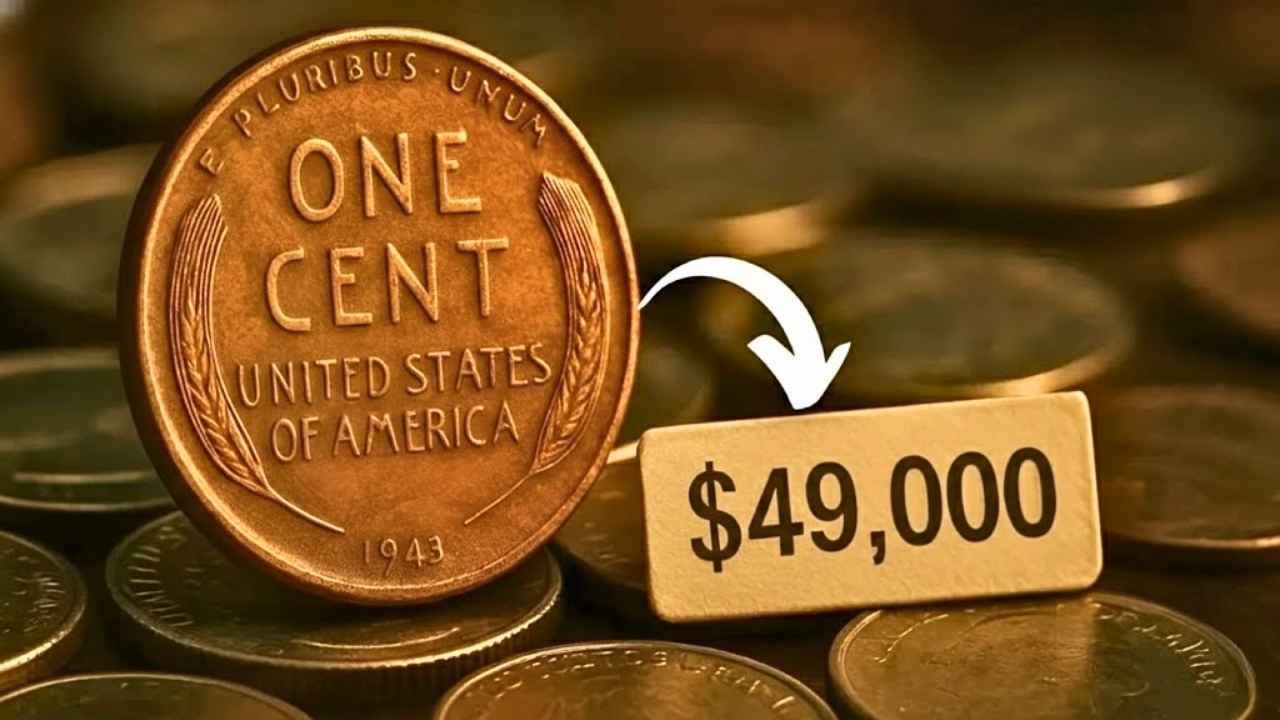
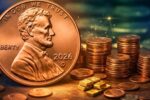
The Lincoln Wheat Penny is one of the most iconic coins in American history. Minted from 1909 to 1958, it features Abraham Lincoln on the obverse and two wheat stalks on the reverse. Collectors are drawn to this series not only for its historical significance but also for the wide range of values depending on year, mint mark, and condition. Some pennies from this era are worth only a few cents, while others can fetch thousands of dollars at auction. This guide explores the value of Lincoln Wheat Pennies year by year, with a focus on condition and rarity.
Historical Background
The Lincoln Wheat Penny was introduced in 1909 to commemorate the centennial of Abraham Lincoln’s birth. Designed by Victor David Brenner, it was the first U.S. coin to feature a real person rather than a symbolic figure. The reverse design with wheat stalks symbolized prosperity and was used until 1958, when it was replaced by the Lincoln Memorial design.
During its nearly fifty-year run, the Wheat Penny was struck at three primary mints: Philadelphia (no mint mark), Denver (D), and San Francisco (S). Each mint produced coins in varying quantities, and the scarcity of certain mint marks plays a major role in determining value today.
Key Dates and Rarities
Some years stand out as particularly valuable due to low mintage numbers or unique characteristics. Collectors often seek these key dates:
- 1909-S VDB: One of the most famous pennies, with only 484,000 minted.
- 1914-D: Scarce in higher grades, making it a prized coin.
- 1922 No D: A Denver issue where the mint mark was accidentally omitted.
- 1931-S: Low mintage of just 866,000 coins.
- 1955 Double Die: Famous error with doubled lettering on the obverse.
These coins can command significant premiums, especially in uncirculated condition.
Condition and Grading
Condition is one of the most important factors in determining value. Coins are graded on a scale from Poor (P-1) to Mint State (MS-70). For Wheat Pennies, the difference between a heavily worn coin and a pristine example can be dramatic.
- Circulated coins often show heavy wear, reducing their value.
- Uncirculated coins with sharp details and original luster are much more desirable.
- Red coloration in copper coins is prized, as most pennies darken over time.
Professional grading services such as PCGS and NGC provide certification, which adds credibility and often increases market value.
Value by Year and Mint
While it is impossible to list every year’s exact value in detail here, general trends can be observed:
- Early years (1909–1919): Many coins from this period are worth more due to age and lower survival rates. Key dates like 1909-S VDB and 1914-D are especially valuable.
- Middle years (1920–1939): Common dates are usually inexpensive, but rarities like the 1922 No D and 1931-S stand out.
- Later years (1940–1958): Most coins are common and worth only a few cents in circulated condition, though uncirculated rolls and error coins can be worth more.
Collectors often build complete sets, which increases demand for even the common dates.
Collecting Tips
For those interested in collecting Lincoln Wheat Pennies, here are some practical tips:
- Start with affordable common dates to build a foundation.
- Learn to recognize key dates and errors.
- Invest in a magnifying glass to spot details such as doubling or weak strikes.
- Store coins in protective holders to prevent damage.
- Consider professional grading for rare or high-value coins.
Patience and knowledge are essential when building a collection that balances affordability with long-term value.
Market Trends
The market for Lincoln Wheat Pennies remains strong due to their popularity among collectors. Even beginners often start with Wheat Pennies because they are easy to find and inexpensive in lower grades. Rare varieties continue to appreciate in value, especially when demand rises during coin collecting booms. Online auctions and coin shows provide opportunities to buy and sell, but prices can fluctuate depending on market interest.
Key Highlights
- Lincoln Wheat Pennies were minted from 1909 to 1958.
- Key dates include 1909-S VDB, 1914-D, 1922 No D, 1931-S, and 1955 Double Die.
- Condition and color (Red, Red-Brown, Brown) greatly affect value.
- Common dates are worth only a few cents, while rare varieties can reach thousands of dollars.
- Collectors value complete sets, making even ordinary coins important.
Final Words
The Lincoln Wheat Penny is more than just a piece of currency; it is a symbol of American history and a cornerstone of coin collecting. From the rare 1909-S VDB to the everyday 1950s issues, each coin tells a story of its time. Whether you are a beginner searching through pocket change or an experienced collector hunting for key dates, the Wheat Penny offers endless opportunities for discovery. With careful attention to year, mint mark, and condition, you can build a collection that is both rewarding and valuable.